

Riyadh skyline at night with a Japanese torii gate and holographic red wireframe game objects above a neon grid
Aug 27-30, 2026 Code Lab, King Saud University, Riyadh LAN & Online

Build new worlds with AI x 3D

3 days. Teams compete. Ideas become playable game prototypes, with direct feedback from Japanese game professionals.

Scroll
200+
Participants, on-ground and online
$10K
Prize pool
3
Days, from concept to prototype
JP x KSA
Japanese pros meet Saudi creators
5
Evaluation criteria, polish not included
The program

From first idea to playable prototype in 3 days

This is not a race to finish a commercial game. It is an intensive hands-on experience where you learn to build original characters, worlds, stories, and gameplay with AI and 3D, and get feedback from Japanese game creators through the production phases.

01

Arrive ready

One online AssetHub onboarding session about a week before the event. You get to know the production environment and start day one with a real head start.

02

Build fast, learn from pros

Teams shape the concept, build the world and characters, produce 3D assets, integrate them into the game engine, then playtest and iterate.

03

Present to game makers

On Demo Day, Aug 29, selected teams present their prototypes and receive prepared critique from Japanese game professionals. The Investor Meetup follows on Aug 30.

Submitted work is treated as prototypes for learning, exchange, and validation. Continued development, commercialization, or investment in the games or the teams as-is sits outside the scope of the program.

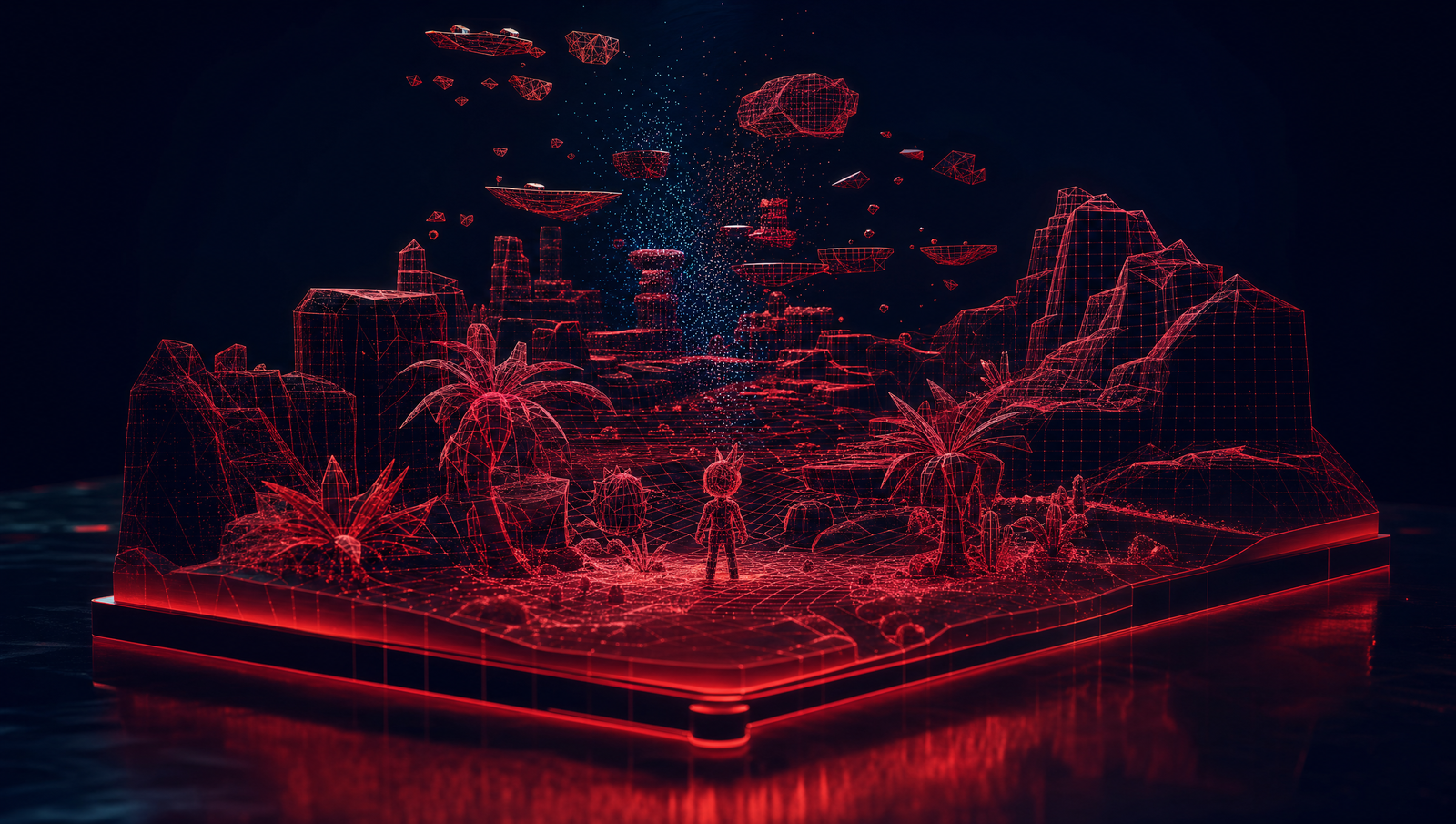
A holographic red wireframe 3D game world assembling, with a small character, palm trees, and rock formations

The question is not how AI does the usual work faster.

It is what play becomes possible when AI is part of the idea.

  • Games inspired by Saudi culture, history, nature, or vision for the future
  • Original characters and worlds with a clear identity
  • Stories and characters that respond to player behavior
  • AI-generated dialogue, stages, and items that evolve dynamically
  • Rich worlds built by small teams with limited resources
  • Japanese IP craft combined with Saudi culture

Why Saudi x Japan

Two strengths, one working space

Japan

Decades of game and IP craft

Deep experience creating games, characters, worlds, stories, and IP that lasts, shared directly by the people who built some of the biggest franchises in the industry.

Saudi Arabia

Ambition, talent, and room to build

The drive to build a new industry, a young talent pool, investment capacity, and the freedom to test ideas unconstrained by legacy conventions.

Saudi creators learn directly from Japanese game professionals and take part in the core elements of IP creation from the first stage: characters, worlds, stories, and game design.
Schedule

Six phases, one deadline

Because the development period is short, advance preparation and development are permitted and encouraged.

0
One week before, online

AssetHub onboarding

  • 3D model production workflows with AssetHub
  • AI-assisted game development through vibe coding
  • Starting work inside the production environment
1
Aug 27, kickoff

Orientation

Purpose and theme, the AI and 3D tools and game engines in play, participant and judge introductions, and the event video. Then the competition begins.

2
Aug 27-28

Concept development

  • Game concept and core gameplay experience
  • Characters, world, and story
  • The role AI plays, and a realistic scope
3
Aug 27-28

Prototype development

  • Concept art with AI, 3D models with AssetHub
  • Asset integration and gameplay implementation
  • Playtesting and iteration
4
Aug 29, Demo Day

Submission, demos + critique

Teams submit their prototypes, then top teams present concept, world, gameplay, AI-native design, and lessons learned, followed by prepared critiques from the Japanese pros.

5
Aug 30

Investor Meetup

Investors meet the teams and the gaming community. The jam closes with relationships that carry forward beyond the event.

Scroll the timeline sideways to see all six phases.

The jury

Feedback from the people who built the industry

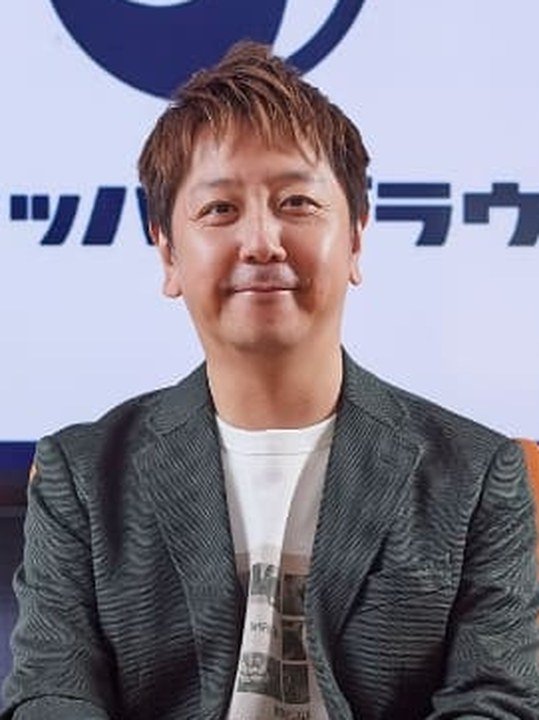
Yoshiki Okamoto
Game producer / game creator

Yoshiki Okamoto

More than 40 years across arcade, console, and mobile. He helped spark the global fighting-game boom with Street Fighter II, contributed to Resident Evil, Onimusha, and Monster Hunter, and took part in Monster Strike, one of Japan's leading mobile games.

Focus: world and characters, core gameplay, originality of AI use.

Rie Narusawa
Executive Producer, formerly Square Enix

Rie Narusawa

A game producer for roughly 15 years at Enix, now Square Enix. Credits include Endonesia, DRAGON QUEST: Mystery Dungeon MOBILE, and the smartphone versions of FINAL FANTASY IV, V, and VI. Her production of Osomatsu-san no Hesokuri Wars passed 2.7 million downloads.

Focus: concept originality, worldbuilding, production decisions.

Toshiyuki Uehara
President, Upper Ground Inc.

Toshiyuki Uehara

Roughly 30 years planning and directing console, arcade, and mobile games. At Square Enix he directed DRAGON QUEST and FINAL FANTASY in Itadaki Street Special and Portable, and LORD of VERMILION. He later worked on DRAGON QUEST OF THE STARS.

Focus: game design, controls, fun, and decisions under time pressure.

Evaluation

Originality over polish

Evaluation prioritizes originality, the strength of the gameplay experience, and innovation as a game for the AI era, not commercial potential or fine-grained polish.

01

Distinctive world and visual direction

Do the characters, environments, story, and art style have an original identity? Does the work create a world that stays with you, and express perspectives unique to Saudi Arabia?

02

Core gameplay experience and design

Do players quickly understand what they do and where the fun comes from? Does the game carry an idea that sets it apart from existing titles?

03

New AI-native design

Using AI for efficiency is not enough. We look for ideas that would be hard to realize without AI: dynamic stories, dialogue, worlds, or stages, and new ways AI expands what a small team can express.

04

Conceptual coherence

Do the world, visual direction, gameplay, and use of AI come together as one clear, unified game concept?

05

Effectiveness as a prototype

Did the playable build or presentation express the appeal of the concept within the limited time?

Fine graphical polish, content volume, and the absence of bugs are not the primary evaluation criteria in a game jam.
Partners

Who makes it happen

Program and production

The partner behind the program's AI and 3D environment. AssetHub leads program planning, provides the production environment and technical support, and coordinates with the Japanese game professionals.

Local partner, Saudi Arabia

Responsible for participant recruitment, venue operations, and coordination with the local gaming community and relevant institutions.

Execution partner

HackathonX executes the jam on the ground: the competition format, event operations, and the participant experience across the three days.

Your idea does not need a year to start

It needs a team, a clear concept, and the willingness to turn it into something real. Join us Aug 27-30, 2026 at Code Lab, King Saud University in Riyadh, or online.

FAQ

Before you ask

It is hybrid. It runs on the ground at Code Lab, King Saud University in Riyadh, with online participation permitted.

Aug 27-30, 2026. One online AssetHub onboarding session takes place about a week before the event.

Each team builds a playable prototype covering the concept, core gameplay, world and characters, and the use of AI, at a scope that can be delivered in a short window.

Yes. Because the development period is short, advance preparation and development are permitted and encouraged.

The core goal is learning, exchange, and validation. Submitted games are prototypes for learning. Commercialization or investment in the games or teams as-is sits outside the program's scope.

Across 5 criteria: distinctive world and visual direction, core gameplay experience and design, new AI-native design, conceptual coherence, and effectiveness as a prototype.

Yoshiki Okamoto, Rie Narusawa, and Toshiyuki Uehara lead the evaluation and final critique, with practical feedback from Japanese game professionals throughout the program.

Sponsors

Backed by the best